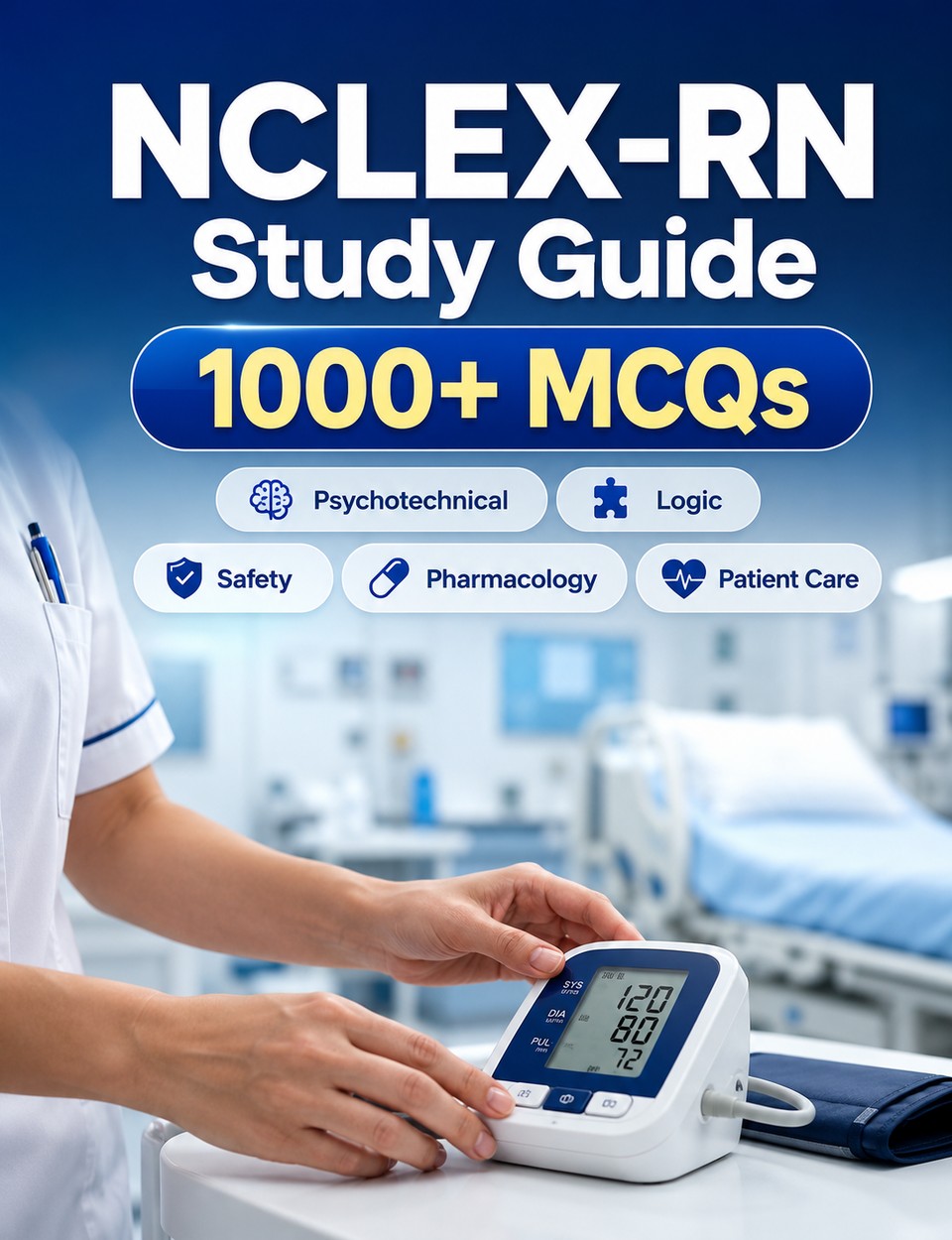
NCLEX-RN Study Guide requirements
Embarking on your journey to become a Registered Nurse requires meeting specific eligibility criteria set by the National Council of State Boards of Nursing. This guide outlines the essential requirements to ensure you are qualified to sit for the NCLEX-RN exam and begin your professional practice.
Educational Diploma Requirements
To be eligible for the NCLEX-RN, you must have successfully completed an accredited nursing program. This includes either an Associate Degree in Nursing or a Bachelor of Science in Nursing from a state-approved institution.
Your educational history must demonstrate proficiency across the nursing process, including clinical judgment, pharmacology, and patient care. Ensure your transcripts are submitted directly from your institution to the nursing regulatory body in the state where you intend to practice.
Residency and Nationality Rules
The NCLEX-RN is a national exam, but licensure is handled at the state level. While you do not necessarily need to be a U.S. citizen to take the exam, you must meet the specific legal residency or work authorization requirements of the state board of nursing where you seek licensure.
International candidates must undergo a credential evaluation process to ensure their foreign education is equivalent to U.S. standards. Always verify the specific requirements of your target state, as rules regarding work visas and social security numbers can vary significantly.
Medical Fitness and Background Checks
Nursing is a physically and mentally demanding profession, and boards of nursing require candidates to attest to their fitness to practice. This may involve a medical evaluation to ensure you can safely perform essential nursing functions, such as patient lifting or rapid response duties.
Additionally, all candidates must undergo a criminal background check. A clean record is generally required, though some boards review past infractions on a case-by-case basis. Transparency during the application process is critical, as failing to disclose prior issues can lead to immediate disqualification.
Language Proficiency Standards
Effective communication is a cornerstone of patient safety and clinical judgment. Candidates who graduated from nursing programs where English was not the primary language of instruction may be required to demonstrate language proficiency through standardized testing.
These tests evaluate your ability to understand complex medical terminology and communicate effectively with patients and interdisciplinary teams. Meeting these standards ensures you can successfully navigate the pharmacological and physiological adaptation topics covered in the exam.
Preparation and Online Access
Meeting the formal requirements is only the first step toward your nursing license. Once your eligibility is confirmed, you must master the core syllabus, including management of care, safety protocols, and psychosocial integrity.
Our comprehensive NCLEX-RN Study Guide provides the structure you need to succeed. Each printed copy includes a unique QR code inside the cover, granting you exclusive access to our online portal featuring additional practice questions and test-taking strategies.
FAQ
- Do I need a BSN to take the NCLEX-RN?
- No, both Associate Degrees in Nursing and Bachelor of Science in Nursing degrees are accepted, provided the program is accredited and state-approved.
- What happens if I have a criminal record?
- You must disclose all criminal history to your state board of nursing. The board will review the nature and timing of the offense to determine your eligibility for licensure.
- Can international nurses take the NCLEX-RN?
- Yes, international nurses can take the exam if they meet the specific requirements of the state board, which usually includes a formal evaluation of their nursing education.
- How do I prove my language proficiency?
- If required, you will typically need to submit scores from recognized English language assessments like the TOEFL or IELTS, depending on the requirements of your specific state.