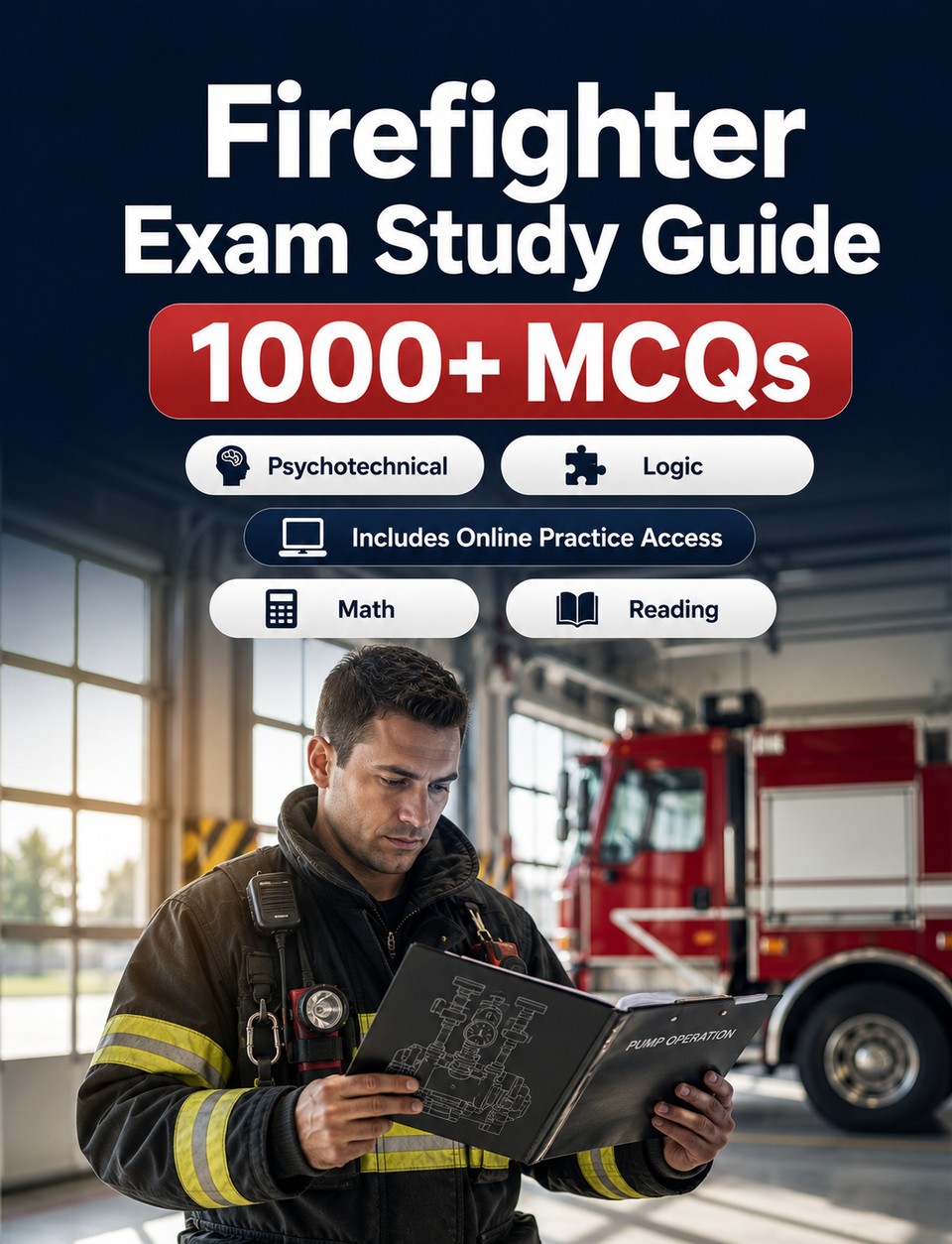
Firefighter Exam Study Guide requirements
Becoming a professional firefighter is a rigorous journey that begins with meeting strict civil service eligibility standards. Understanding these requirements is the first step toward securing your place in the recruitment process and passing your entrance exam.
Educational and Language Requirements
Most fire departments require candidates to hold at least a high school diploma or a GED equivalent. Some jurisdictions may prefer or require college credits in fire science or related fields to remain competitive during the hiring process.
Candidates must also demonstrate high proficiency in the English language. This is essential for effectively communicating during emergency situations, reading technical manuals, and completing incident reports accurately.
Nationality and Residency Rules
Eligibility often depends on your legal status within the country. Most municipal fire departments require candidates to be citizens or permanent residents authorized to work legally.
Some local departments enforce residency requirements, meaning you may need to live within a specific city or county boundary by the time you are appointed. Always check the specific job posting for your target department to ensure you meet these geographical mandates.
Medical and Fitness Standards
Firefighting is a physically demanding profession that requires peak cardiovascular health and muscular strength. Candidates must pass a comprehensive medical examination to ensure they can perform strenuous duties without risk to themselves or the public.
Physical ability tests are standard and often include tasks like stair climbs, hose drags, and equipment carries. Our printed prep book includes a QR code inside, granting you access to online practice modules that help you prepare for the cognitive side of these demanding recruitment standards.
Criminal Record and Background Checks
Integrity is a core value in the fire service. Applicants are subject to a thorough background investigation, which includes a review of criminal history, driving records, and personal references.
A clean criminal record is generally required for public safety roles. While some minor infractions may be reviewed on a case-by-case basis, felony convictions or patterns of dishonesty often result in immediate disqualification from the hiring process.
Age and Licensure Prerequisites
Most departments require applicants to be at least 18 years old, though many set the maximum age limit for new recruits at 35 or 40. You must also possess a valid driver's license with a clean driving record, as operating heavy fire apparatus is a primary job function.
Some departments also require candidates to hold a current Emergency Medical Technician (EMT) certification at the time of application. Having this certification can significantly improve your ranking on the eligibility list.
FAQ
- Do I need a degree to become a firefighter?
- A high school diploma or GED is the minimum requirement for most departments, though higher education can provide a competitive advantage.
- Are there height and weight requirements?
- While specific height and weight numbers are less common today, you must be physically capable of passing the Candidate Physical Ability Test (CPAT) and meeting medical health standards.
- What happens if I have a criminal record?
- Background checks are mandatory. Any criminal history will be evaluated by the department, and serious offenses usually lead to disqualification from public safety employment.
- Is a driver's license mandatory?
- Yes, a valid driver's license is required, and many departments require you to maintain a clean driving record to be eligible for hire.
- Does the exam cover technical fire knowledge?
- The exam focuses primarily on mechanical aptitude, math, reading, and situational judgment, though understanding basic fire service terminology is highly recommended.