Common EMT Exam Study Guide exam mistakes
Preparing for the EMT certification exam requires more than just memorizing facts; it demands a strategic approach to testing. Many qualified candidates fail to achieve their target score simply because they fall into predictable traps during their study sessions or the exam itself.
Underestimating Transversal Topics
A frequent mistake is focusing exclusively on high-intensity areas like trauma or cardiovascular emergencies while ignoring transversal topics. Concepts such as medical-legal standards, ethics, and patient assessment principles appear throughout the exam and often serve as the tie-breakers for passing scores. Do not treat these as secondary; they are the foundation of safe EMS practice.
Poor Time Management Strategies
Many candidates spend too much time on difficult questions, leaving themselves rushing through the final sections of the test. It is essential to practice pacing during your study sessions to ensure you have enough time to review every question. If you are stuck on a complex scenario, flag it and move on to ensure you do not miss easier points later in the exam.
Neglecting Practice and Simulation
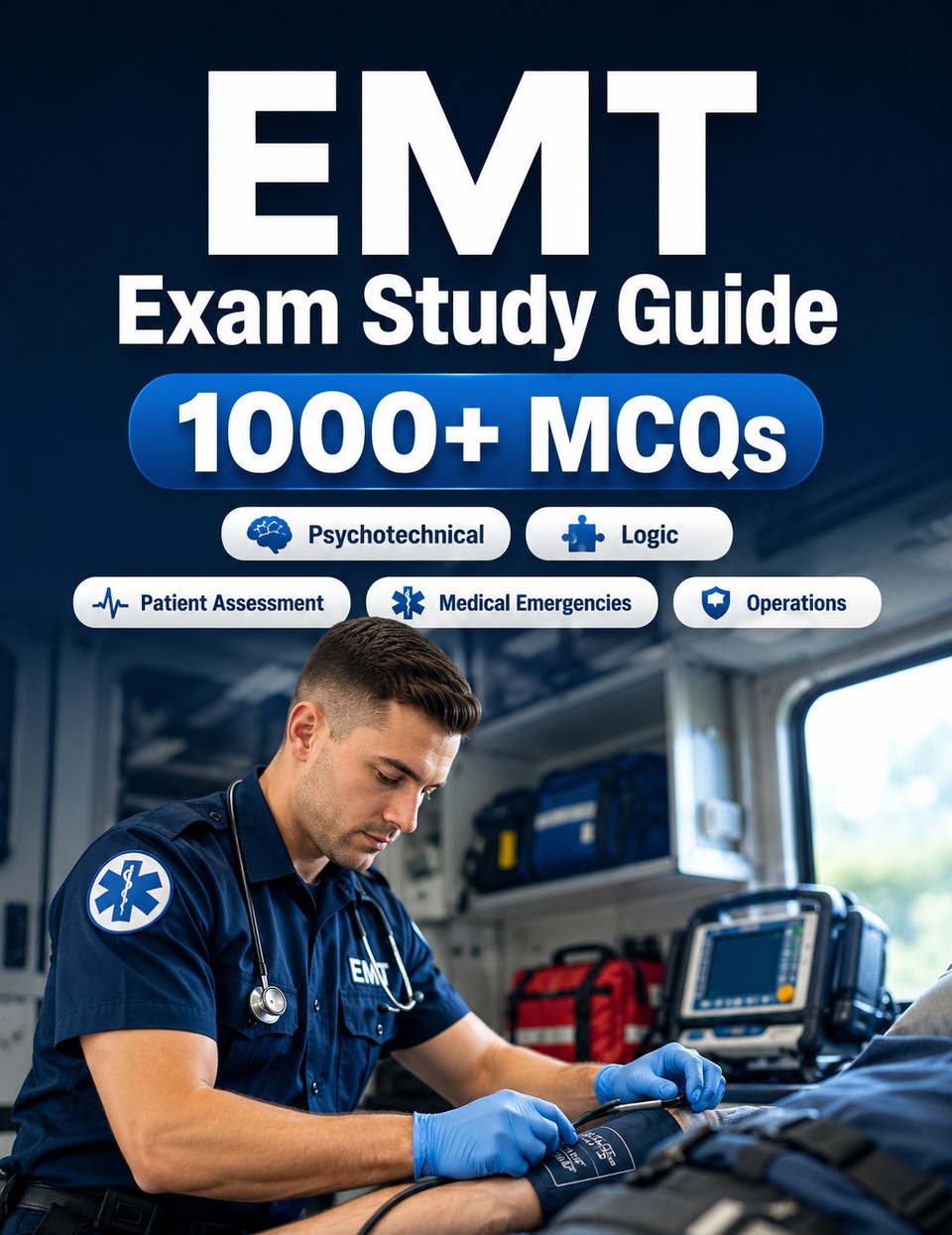
Studying theory is only half the battle. Candidates often fail because they do not simulate the pressure of the actual exam environment. Our printed prep book helps bridge this gap by including access to online practice tests via a QR code inside the book, allowing you to build the stamina and confidence required for the real testing experience.
Misinterpreting Question Phrasing
The NREMT and similar certification exams use specific phrasing to test your clinical judgment. A common error is failing to read the full prompt, leading candidates to choose an answer that is clinically correct but not the best option for the specific scenario presented. Always look for keywords that indicate the priority of care, such as first, immediate, or most appropriate.
Ignoring the Scope of Practice
Candidates often choose answers based on what they have seen in the field rather than what is defined in the national curriculum. It is vital to stick strictly to the scope of practice for an EMT. Always prioritize the protocol-based approach over anecdotal experience to ensure you are answering according to the official standards of the exam.
FAQ
- How can I improve my time management for the EMT exam?
- Use practice tests to time yourself on individual sections. Aim to answer standard questions quickly so you can dedicate extra time to complex patient assessment scenarios.
- Why are transversal topics like ethics important for the exam?
- Transversal topics ensure you understand the legal and professional boundaries of an EMT, which are just as critical as technical skills like airway management.
- Should I focus only on my weak areas?
- While addressing weak areas is vital, you must also maintain your proficiency in strong areas. Use a balanced study plan to ensure comprehensive coverage of all syllabus topics.
- How does the online practice access help me?
- The online access provided via the QR code in our book simulates the actual exam interface, helping you get comfortable with the digital format and question difficulty.
- What is the best way to handle difficult trauma questions?
- Focus on the kinematics of trauma and prioritize interventions based on the ABC (Airway, Breathing, Circulation) protocol to determine the most immediate life-saving step.